
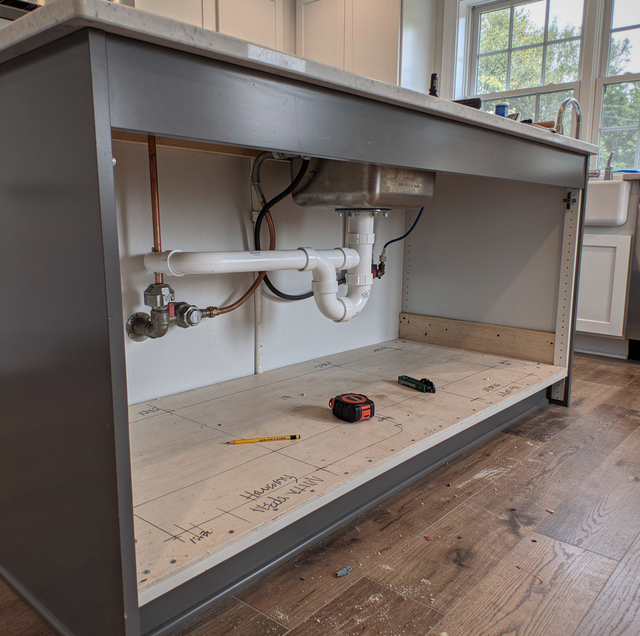
Island Sink Plumbing: The Drain and Vent Work Nobody Sees
A sink against a wall has an easy way to breathe. The drain runs down into the floor or wall cavity, a vent pipe ties in above the trap and climbs straight up through the wall, through the attic, and out the roof.
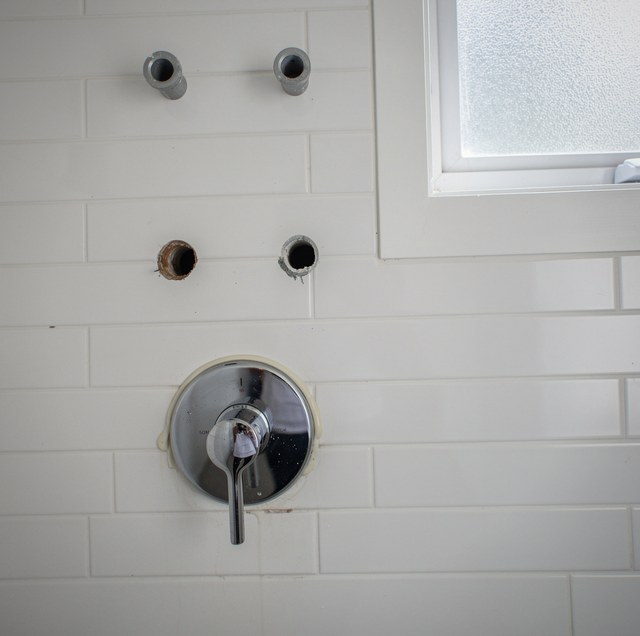
Rain Shower and Body Spray Plumbing: What Your Supply Line Needs
You turn on the rain head, and it feels great. Then you flip the diverter to bring the two body sprays online at the same time, and the flow up top drops to a trickle while the water temperature slowly, unpleasantly wanders toward cold.
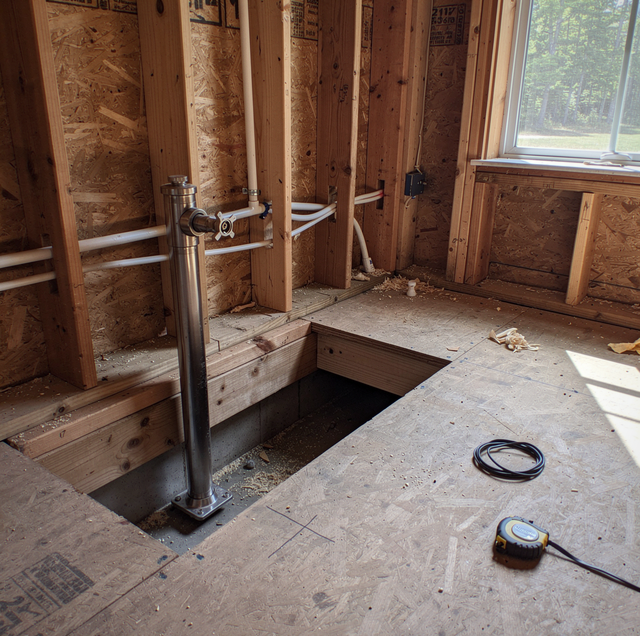
Freestanding Tub Filler Plumbing: The Rough-In Most Homes Miss
A freestanding tub looks like a simple swap on paper. Pull the old alcove tub, drop in the new one, connect a filler, done.
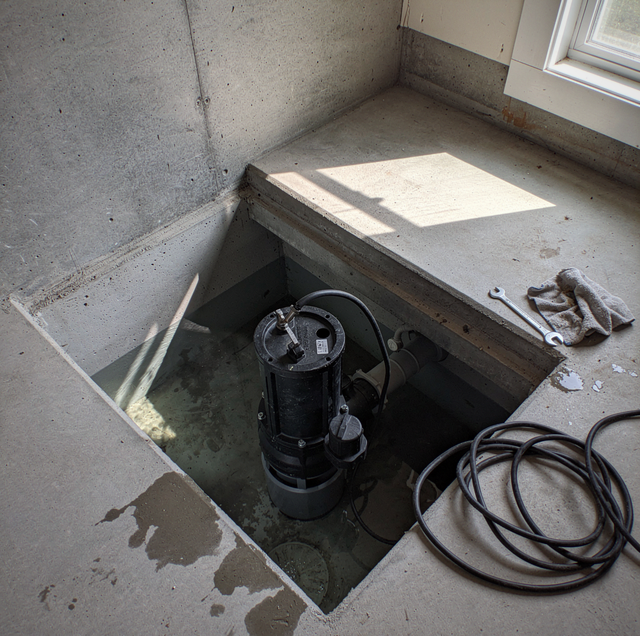
Why Won't My Sump Pump Shut Off? What Non-Stop Running Means
A sump pump that never rests is telling you something is wrong, even if the basement floor still looks dry.
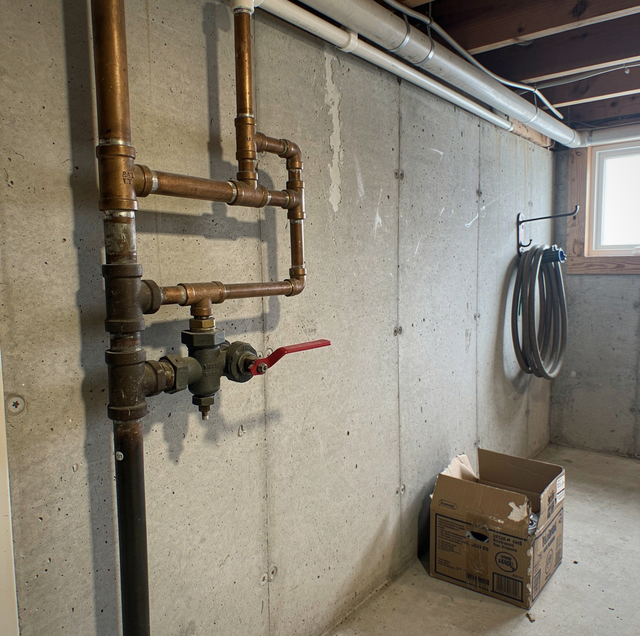
What It Takes to Properly Winterize a Seasonal Home's Plumbing
Closing up a seasonal home for the cold months should be simple: lock the doors, turn down the heat, leave.
Why Is My Toilet Weak or Slow to Flush? 7 Fixes
A weak flush that leaves paper swirling, water rising too high, or waste half-cleared is rarely a mystery of luck.
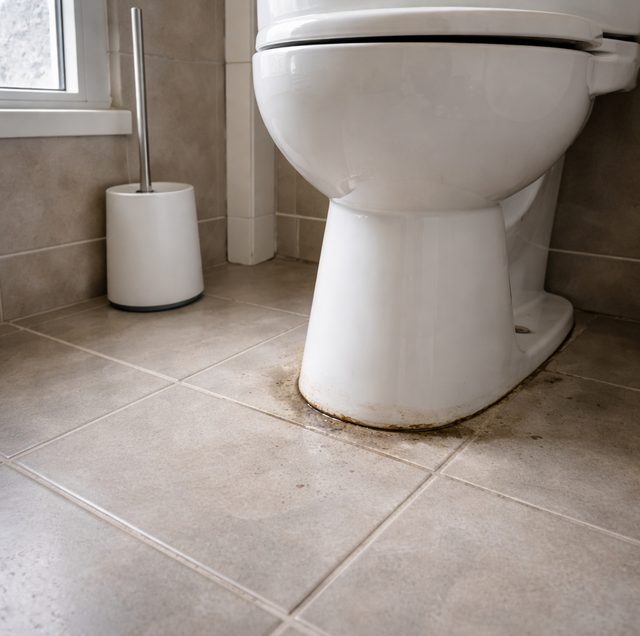
Bathroom Smells Like Sewage? 5 Causes and Fast Fixes
That rotten-egg or raw-sewage smell drifting up from your bathroom is not just unpleasant. It is a signal that something in your plumbing has stopped doing its one job: keeping sewer gas on the other side of a water seal.
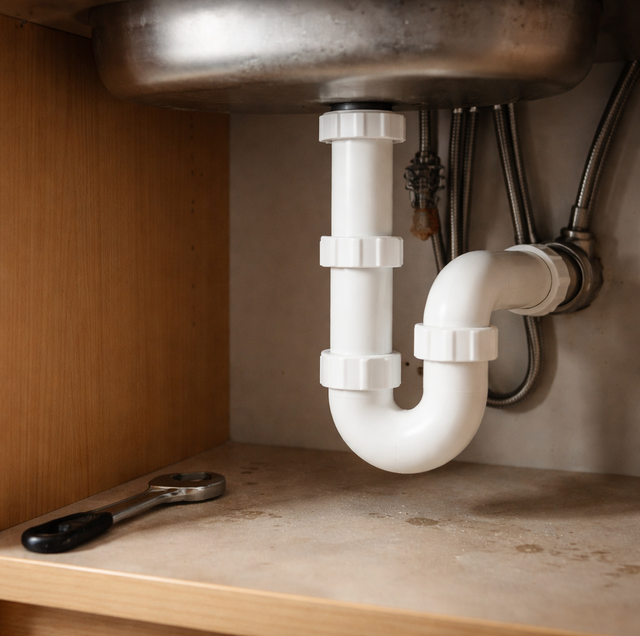
What Is a P-Trap? The Small Bend That Guards Your Home
Look under any bathroom or kitchen sink, and you will find a curved section of pipe shaped roughly like the letter P turned on its side.
What Causes Low Water Pressure in an Old House? 7 Culprits
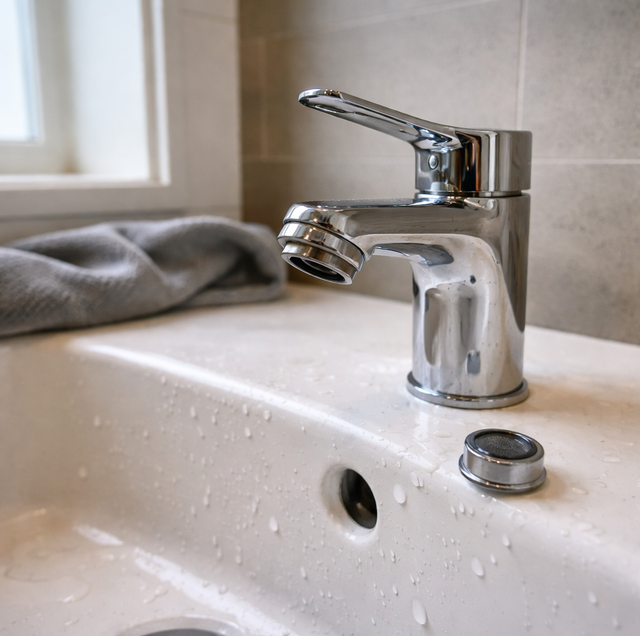
You turn on the shower in an older home and the spray never quite arrives, or you fill a pot and watch the stream trickle when it should gush.
Water Heater Making Noise? What Each Sound Is Warning You
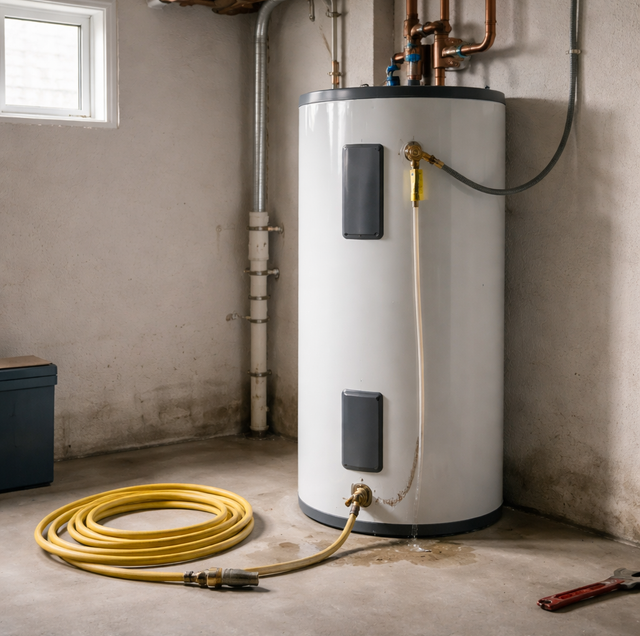
A water heater is supposed to work in the background without announcing itself. When it starts popping, rumbling, whistling, or knocking, the tank is telling you something has changed inside it.
What Is a Sewage Ejector Pump, and When Do You Actually Need One?
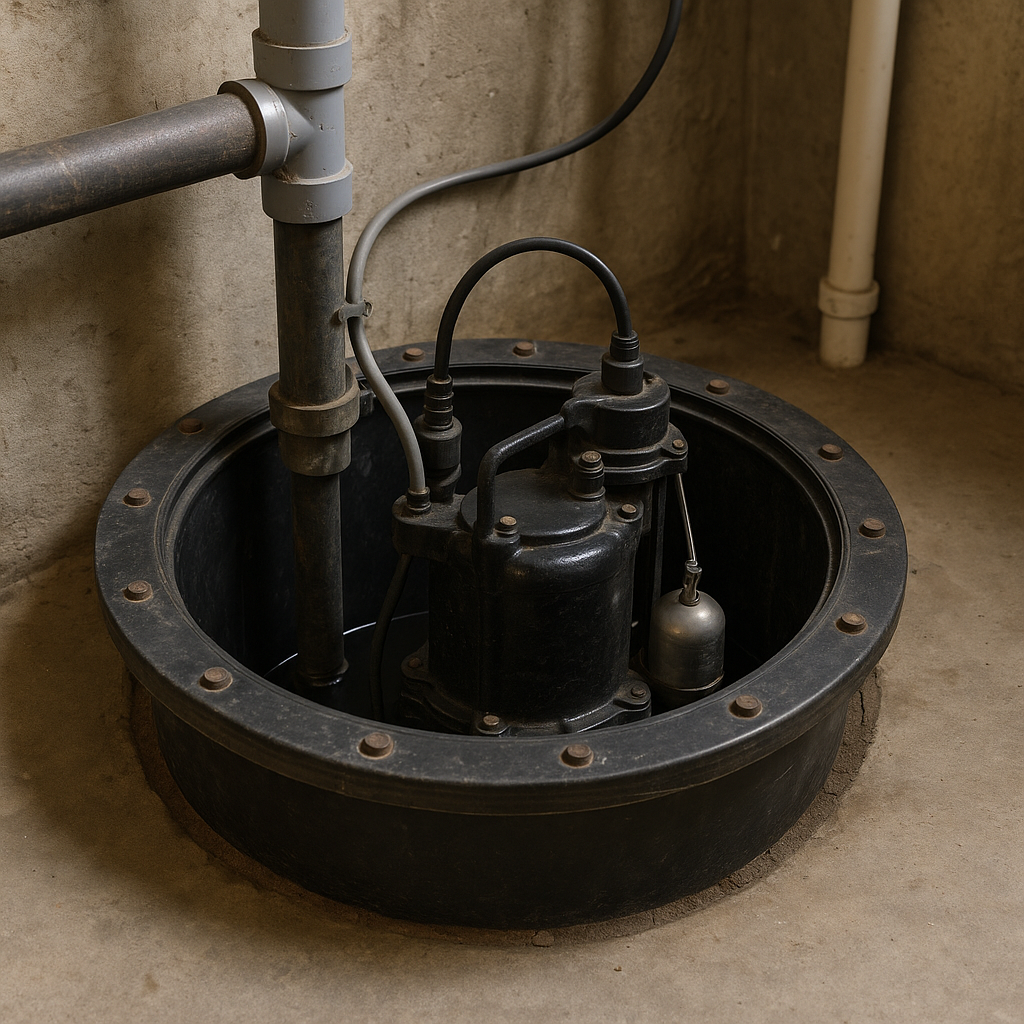
You want to put a bathroom, a laundry sink, or a wet bar in the basement, and the plumber tells you a standard drain connection will not work down there. The reason is simple once you see it: the fixture sits below the main sewer or septic line, and water does not flow uphill on its own. That is the exact problem a sewage ejector pump is built to solve.
Thermostatic vs Pressure-Balancing Valve: 5 Deciders
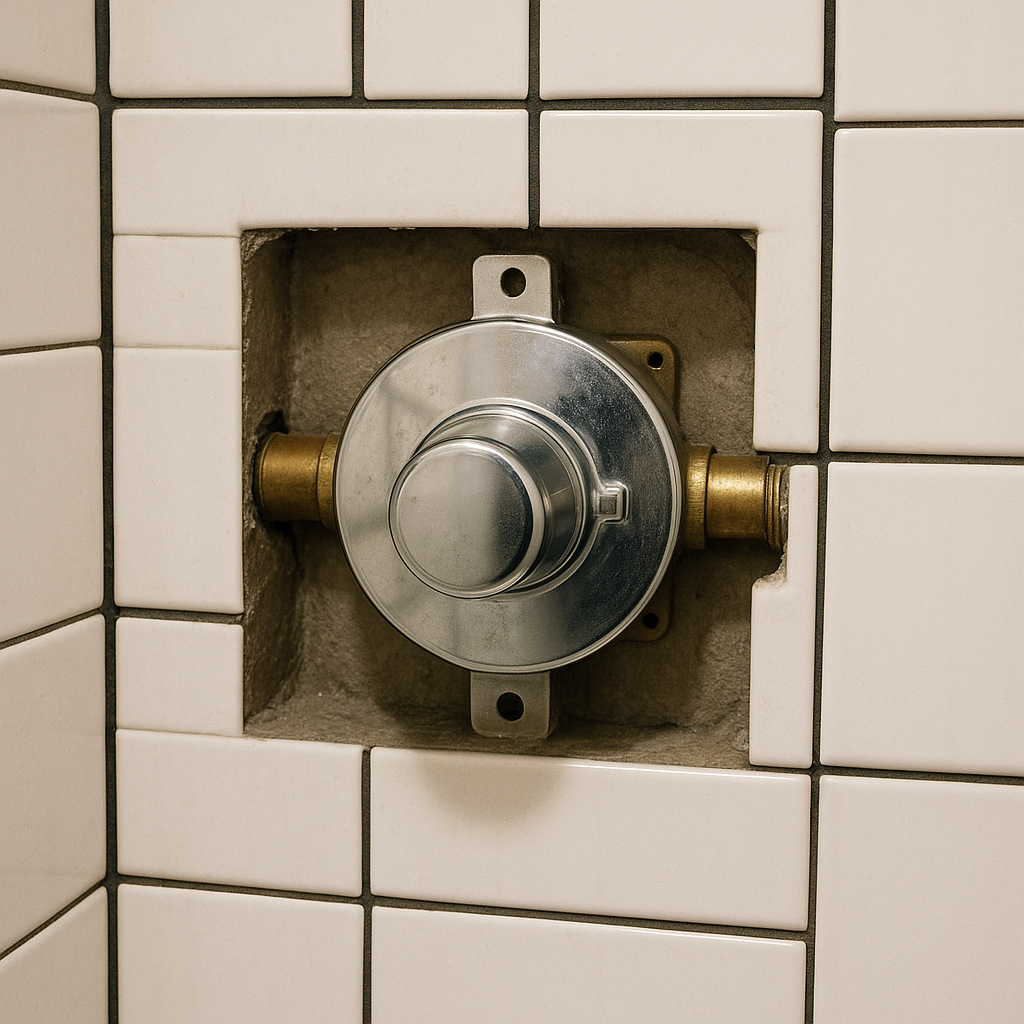
Standing in the shower when a toilet flushes down the hall, you brace for the blast of hot water. That flinch is the whole reason mixing valves exist, and it is also where two very different valves get confused for each other. Both the pressure-balancing valve and the thermostatic valve are anti-scald devices. They protect you from the same danger, but they do it with different mechanics, and that difference decides which one belongs in your bathroom.
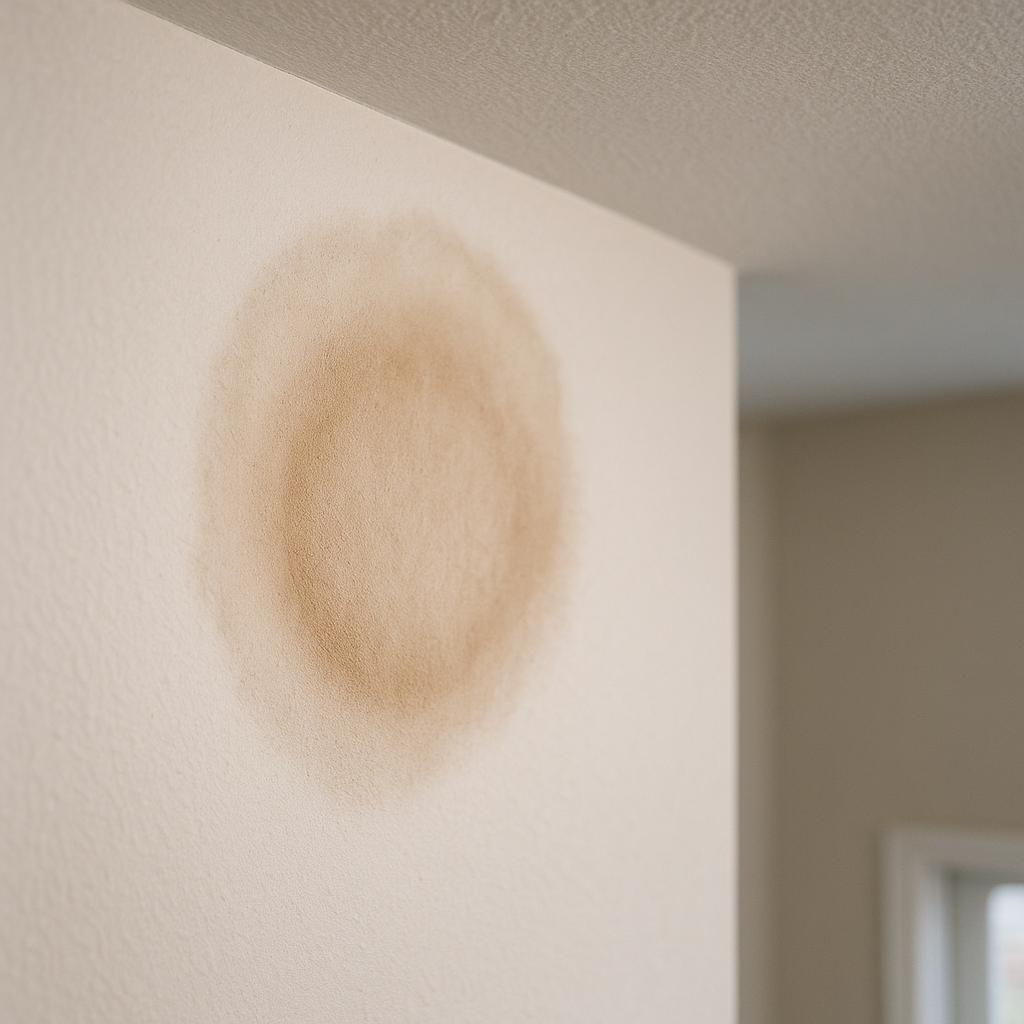
How Plumbers Find a Leak Inside a Wall or Ceiling — Without Guessing
The frustrating part of a hidden leak is that the damage and the source almost never share an address. Water shows up as a soft patch of drywall, a rust ring on the ceiling, or a smell you notice before you notice anything else, while the actual break sits somewhere above and to the side, following pipe runs and framing you cannot see. A plumber's job on a hidden leak is really two jobs done in order: read what the house is telling you, then narrow a wet wall down to a spot small enough to open with a keyhole saw instead of a demolition bar. The tools that get there are less dramatic than most people expect.
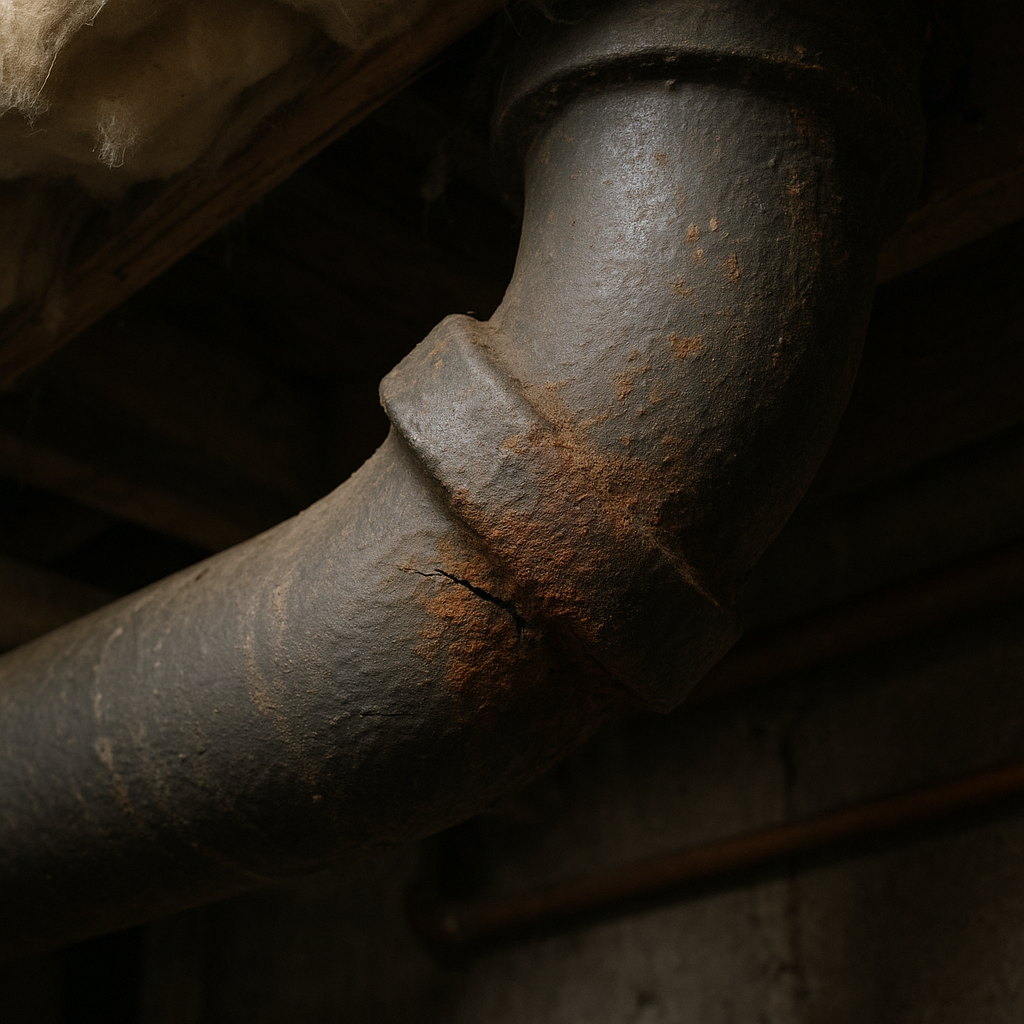
How Long Do Cast Iron Drain Pipes Last in an Old House?
You bought an older home with good bones, and somewhere in the basement or under the floor runs the original cast iron drain system that has been carrying water away since long before you owned the place. Then the drains start gurgling, a backup happens for no clear reason, and you find yourself wondering how much life is left in pipes you cannot even see.
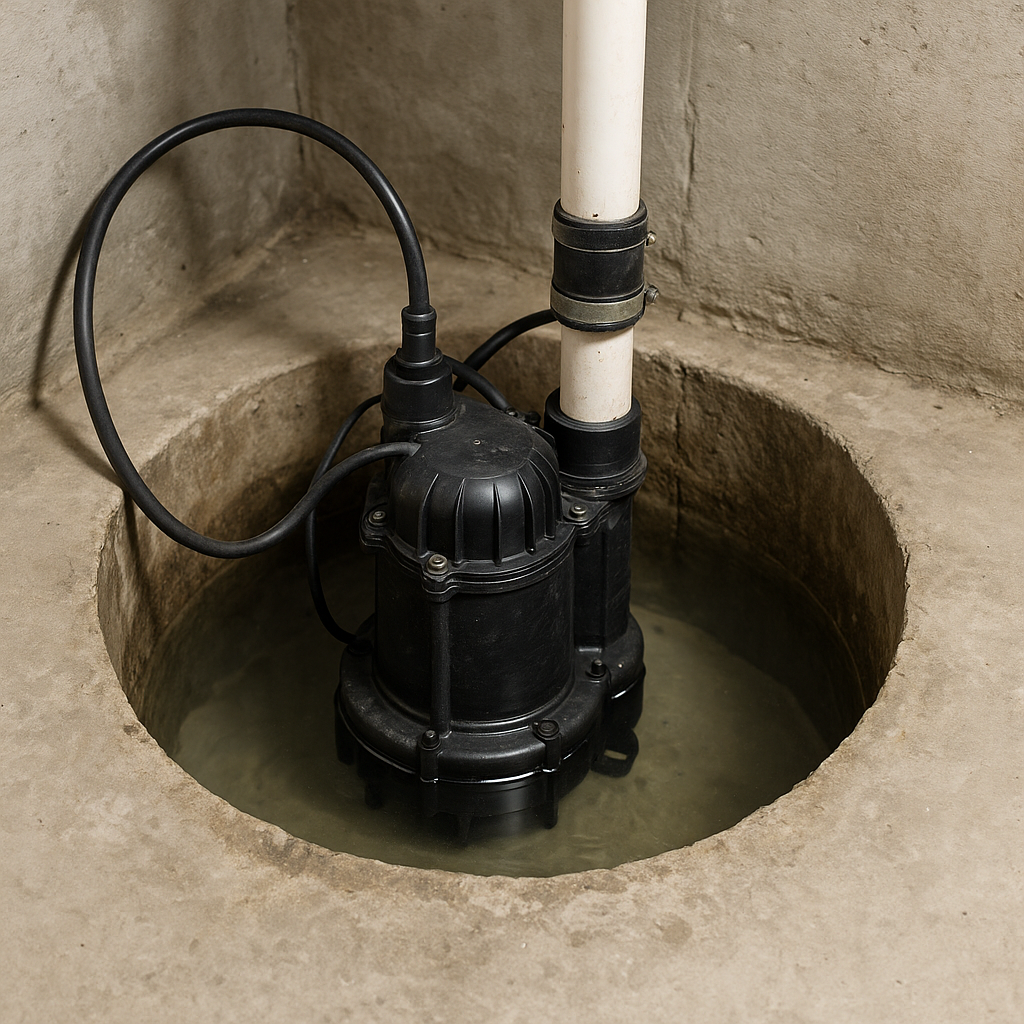
Do I Need a Backup Sump Pump? The One Failure Most Owners Miss
A sump pump is the quiet workhorse under a lot of basements and crawlspaces. It sits in a pit dug at the lowest point of the floor, and when groundwater rises into that pit, a float switch tells the pump to turn on and push the water out through a discharge pipe before it ever reaches your slab. Most of the time, you never think about it. It runs, it stops, the floor stays dry, and life goes on.
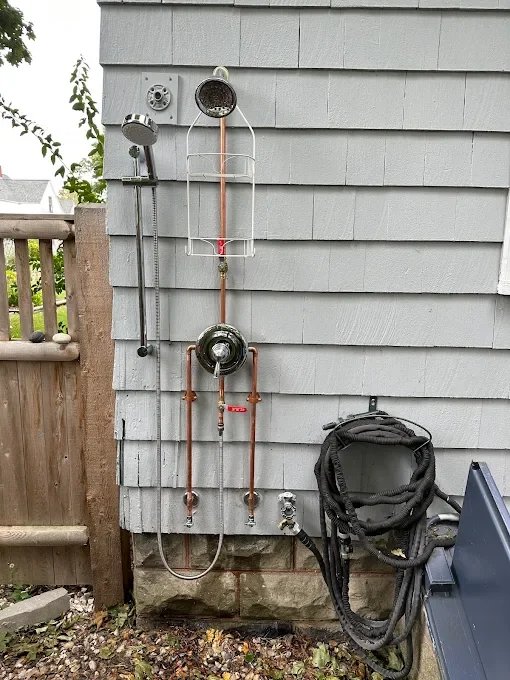
How to Build an Outdoor Shower That Survives a Freezing Winter
The first warm weekend after a long winter, you twist the handle on the outdoor shower and nothing comes out, or worse, water sprays from a split somewhere in the wall and runs down the siding. It happened over the winter, while the house sat quiet and the temperature dropped below freezing for weeks at a stretch. That burst line is the single most common way an outdoor shower dies, and it's almost always avoidable.
Old Galvanized or Lead Water Pipes? When to Replace Them
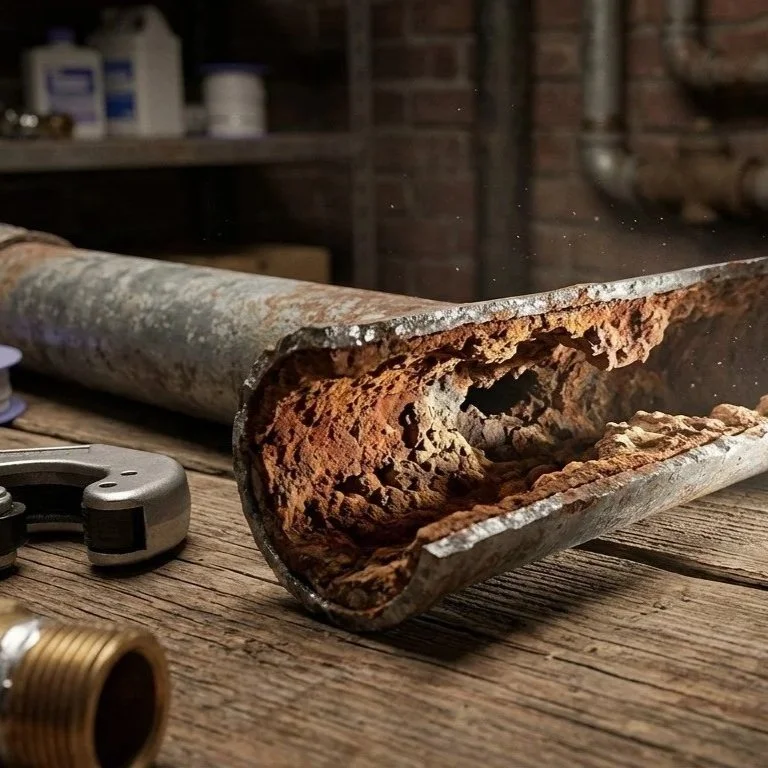
You fill a glass first thing in the morning, and the water comes out faintly brown, then clears after a few seconds. The pressure in the upstairs shower has been fading for years, so slowly you stopped noticing. The house is old, the pipes are original, and a voice in the back of your head keeps asking whether the lines bringing water into your home are still safe to drink from. They might not be.
What Is a House Trap — and Why It Keeps Clogging Your Main Drain
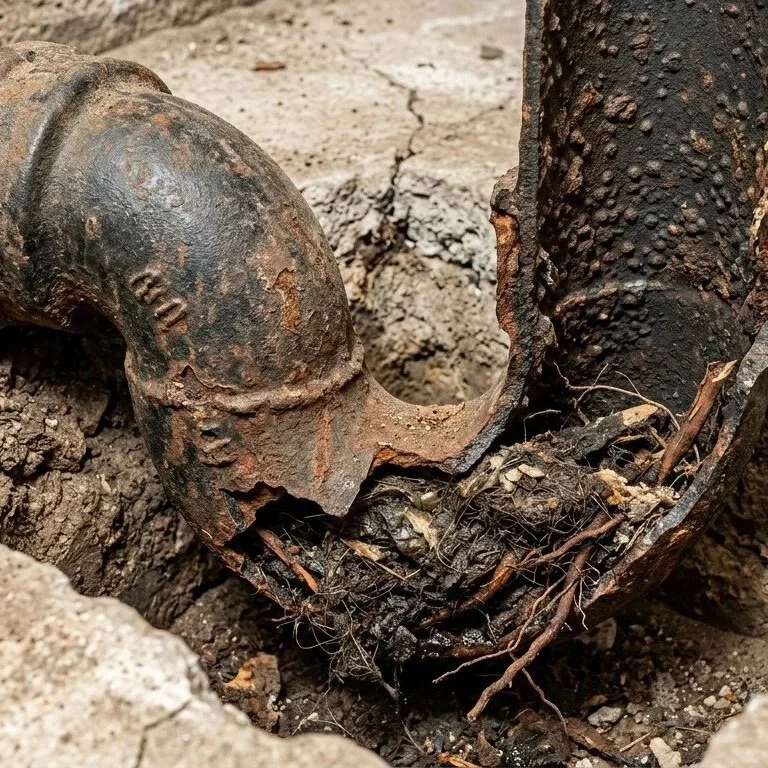
The drain in the basement floor burps up gray water again. You snaked it last spring, paid a guy to jet it the spring before, and here you are with a shop vac and a bad feeling. The water clears for a few months, then the same thing happens at the same spot. If your home went up before the 1960s, there's a good chance the repeat offender is a fitting most people have never heard of: the house trap.
Tub-to-Shower Conversion: What Plumbing Actually Changes
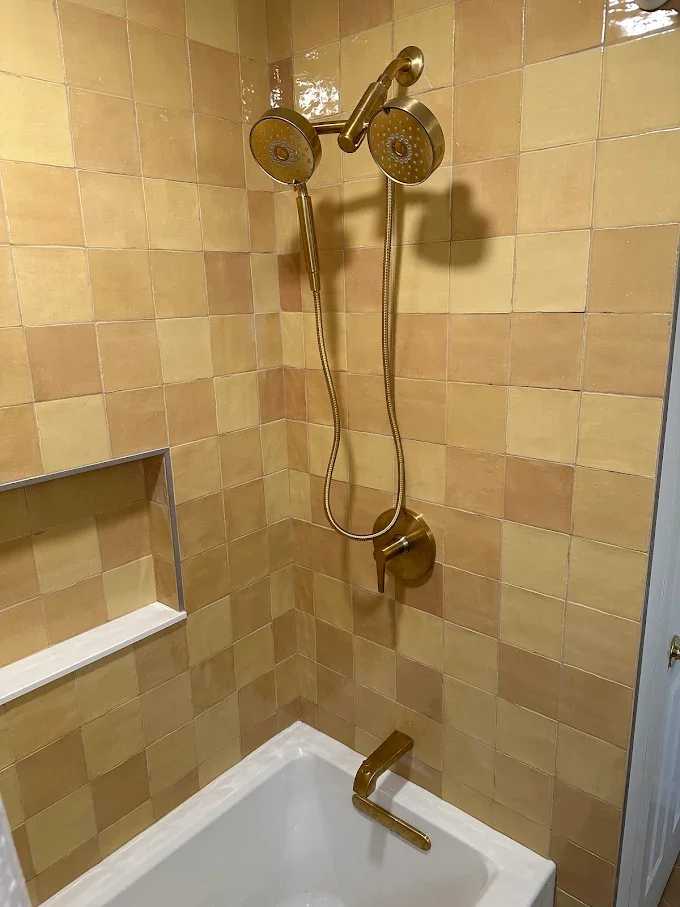
You've measured the old tub a dozen times in your head. Out it comes, in goes a walk-in shower, and the cramped bathroom finally feels like one you'd want to use. Then a plumber crouches by the tub, points at the floor, and says the drain has to move. That one sentence is where a tub-to-shower conversion stops being a swap and turns into actual plumbing work, and it's the part the glossy ads and big-box install chains tend to skip right past.
What a Bathroom Remodel Plumbing Quote Should Include
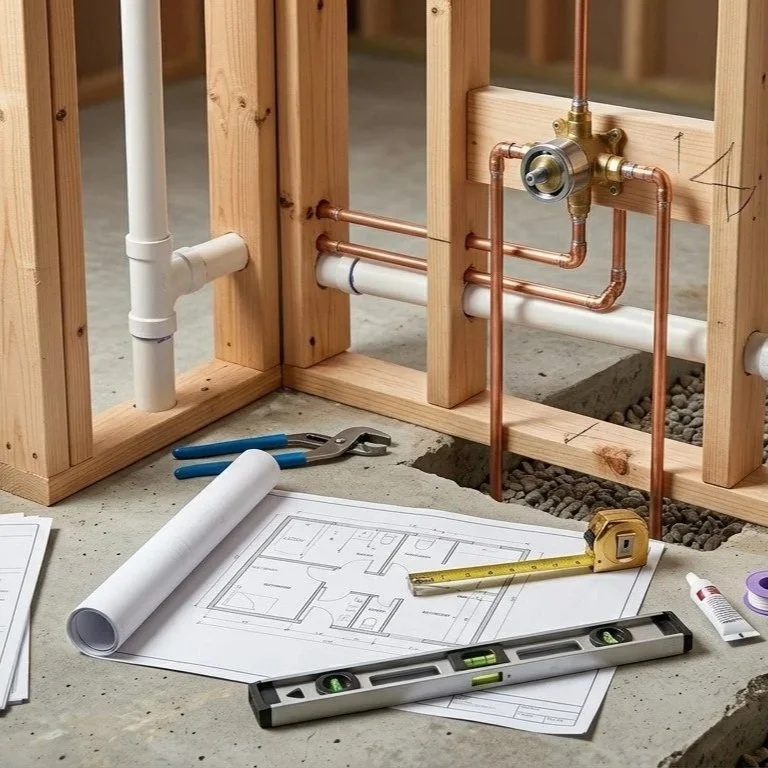
Two quotes for the same bathroom remodel land in your inbox, and one is noticeably lighter than the other. The cheaper one feels like the obvious pick, until you read both closely and realize the leaner quote barely says what the plumber is actually doing. That gap is where remodels go sideways. The wall comes down, the crew finds something, and suddenly there's a change order for work you assumed was included all along.