
Why Is My Toilet Weak or Slow to Flush? 7 Fixes
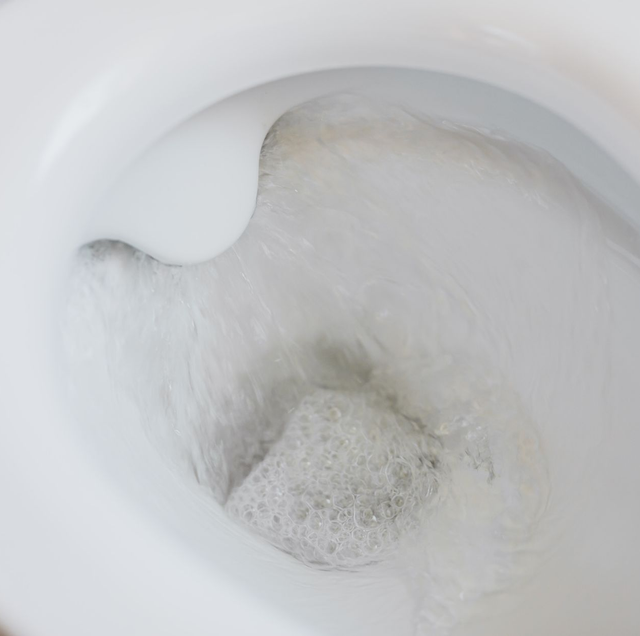
Quick Answer: A weak or slow flush means the toilet is delivering too little water, or delivering it too slowly to trigger a strong siphon. The usual culprits are clogged rim and siphon jet holes, a low tank water level, a flapper that closes early, a partial clog in the trap or drain, a blocked vent, or hard-water scale narrowing the internal passages.
A weak flush that leaves paper swirling, water rising too high, or waste half-cleared is rarely a mystery of luck. In nearly every case, it comes down to one thing: not enough water is moving through the bowl fast enough to do its job. Once you understand why the flush is slow, the fix is usually something you can check in a few minutes.
How a Toilet Flush Actually Works
Before chasing causes, it helps to know what a healthy flush does. When you push the handle, a chain lifts the flapper at the bottom of the tank. The tank then dumps its stored water into the bowl in one fast rush. Most of that water pours through small angled holes under the rim, called rim jets, and a larger opening near the front bottom of the bowl called the siphon jet.
That sudden flood raises the water level in the bowl faster than it can drain out the back, filling the curved trap under the bowl completely. Once the trap fills, physics takes over: the falling column of water pulls the rest along behind it, creating a siphon that yanks the whole bowl empty with a distinct gulp. Then the trap reseals, the tank refills, and the toilet is ready again.
The key word is speed. A flush works because a lot of water arrives all at once. Anything that slows that water, reduces its volume, or blocks its path weakens or kills the siphon, and you get the tired, incomplete flush you are trying to fix.
Clogged Rim Jets and Siphon Jet
The most overlooked cause sits right under the rim where you cannot see it. Over months and years, mineral deposits and a thin film of bacteria build up inside the rim jets and the siphon jet, slowly shrinking the holes. Water that should blast into the bowl instead dribbles, so the siphon never gets the shove it needs.
An easy test: drop a few sheets of colored paper towel in the bowl and flush. If the water enters weakly, mostly straight down instead of swirling around, the rim jets are likely partly blocked.
To check whether the rim jets are the problem, drop a few sheets of colored paper towel in the bowl and flush. If the water comes mostly straight down instead of swirling around the bowl, the angled rim jets are partly blocked and worth clearing before you look at the tank or the drain.
How to clear them. Turn off the water at the shutoff valve behind the toilet and flush to empty the tank. Hold a small mirror under the rim to spot the jet holes, then work a short piece of stiff wire or an unfolded paperclip into each hole to break up the crust. For deeper scale, warm white vinegar to about the temperature of a hot bath, pour it into the overflow tube in the tank so it runs through the jets, and let it sit an hour before flushing. Avoid harsh chemical drain cleaners here. They can damage seals and, with repeated use, contribute to cracking the porcelain.
A Low Tank Water Level
If the tank is not filling to its proper line, it simply does not hold enough water to complete a strong flush. Lift the tank lid and look for the waterline mark stamped or printed on the back interior wall, or find the top of the overflow tube. The water should sit about an inch below the top of that tube.
If it sits lower, the fill valve is shutting off too early. On a modern float-cup fill valve, pinch the clip on the adjustment rod and slide the float up to raise the shutoff point. On an older ball-float valve, gently bend the float arm upward or turn the adjustment screw. Small changes matter, so raise it a little, flush, and check again before adjusting more.
A Flapper That Closes Too Soon
The flapper has to stay open long enough for the tank to fully empty into the bowl. When it drops early, only part of the water gets through, and the flush fizzles halfway. A flapper that seats too fast is a common reason a toilet flushes weakly one time and fine the next.
Check the chain first. Too much slack and the flapper slams shut before the tank drains. Shorten it so there is just a little slack when the flapper is closed. Also inspect the flapper itself. Rubber that has gone stiff, warped, or slimy no longer floats and holds the way it should, and a worn flapper is an inexpensive part to swap. Adjustable flappers let you dial in how long they stay open, which is useful on toilets that have always flushed a touch weak.
A Partial Clog in the Trap or Drain
A full clog stops everything, but a partial clog is sneakier. It lets water through slowly, so the bowl drains sluggishly and the siphon struggles to build. Wads of paper, wipes labeled flushable, or an object that went down and lodged in the trap all narrow the channel.
Start with a good flange plunger, the kind with an extended rubber sleeve that seals into the bottom of the bowl rather than the flat cup made for sinks. Make sure enough water covers the plunger head, seal it over the opening, and push and pull a dozen times firmly to work the blockage loose. If plunging does not clear it, a toilet auger, also called a closet auger, feeds a coiled cable through the trap to snag or break up whatever is stuck without scratching the bowl. Keep gloves on for this, and never mix in a chemical drain product, which can splash back and sit corrosively against the porcelain and seals.
A Clogged Vent Causing Sluggish Drainage
Every drain system has vent pipes that run up through the roof to let air in behind the water. A soda bottle turned upside down glugs and empties slowly because air cannot get in fast enough to replace the liquid, and a toilet behaves the same way. When the vent is blocked by leaves, a nest, or ice, the draining water cannot pull air behind it, so it moves in halting surges, and the flush loses its pull.
Signs point beyond the toilet itself. A gurgle from a nearby sink or tub when you flush, drains all over the house running slow, or a bubbling bowl often trace back to the vent rather than the toilet. Because clearing a rooftop vent means safe roof access and the right tools, this is a job to hand to a plumber rather than tackle yourself.
Hard-Water Scale in the Internal Passages
Beyond the visible jets, hard water leaves scale deep inside the bowl's molded passages where water travels from the tank to the rim. That buildup narrows the whole path, and no amount of plunging touches it because it is not a clog; it is a coating.
If your home has hard water and the flush has weakened gradually over years rather than suddenly, scale is a strong suspect. Running warmed vinegar through the system as described earlier helps with light buildup. Heavy, long-term scale inside the porcelain passages is often past the point of a home fix, and replacing the toilet is sometimes more sensible than fighting it.
Older Low-Efficiency Design Versus a Modern 1.28-GPF Toilet
Some toilets flush weakly because they were never good at it. First-generation low-flow toilets from the 1990s cut water use before the bowl engineering caught up, so they were saddled with a reputation for double flushing. If your bowl is one of these and nothing above fixes it, the design itself may be the limit.
A well-engineered modern toilet rated at 1.28 gallons per flush uses less water than those early models yet clears the bowl reliably, because the trapway, jets, and tank release were redesigned to move that smaller volume with more force. Upgrading is not just about water savings. It often ends the weak-flush problem for good on a toilet that has fought you for years.
DIY Checks Versus When to Call a Plumber
Most weak-flush causes are fair game for a confident homeowner: checking the tank level, adjusting the float, replacing a flapper, clearing the rim jets, and plunging or augering a partial clog. Work through those in order, and you will resolve the majority of cases.
Call a plumber when the flush keeps failing after those steps, when clogs return again and again in the same toilet, or when more than one drain in the house acts up at once. Recurring clogs and multiple slow drains can signal a problem in the main line or the vent stack rather than the toilet, and a proper diagnosis needs a camera and the right equipment. A visible crack in the bowl or tank is also a plumber's call, since it will not hold water correctly and can fail suddenly. If a toilet ever keeps running and threatens to overflow, turn off the shutoff valve behind it right away to stop the flow while you sort out the cause.
Frequently Asked Questions
A softener will not clear scale that has already formed, but it stops new buildup by removing the calcium and magnesium before water reaches the toilet. Grain hardness above roughly 7 grains per gallon is where scale tends to accelerate inside jets and passages, so homes on hard well water benefit most. You still need to clean out existing deposits first, then the softened water keeps the passages clear going forward.
Intermittent weak flushing usually points to the flapper or chain rather than a clog, since a true blockage affects every flush. A flapper that occasionally catches on its hinge or a chain with inconsistent slack lets a full tank through one time and a partial tank the next. A float that sticks at different heights can do the same. Watch the tank through a few flushes with the lid off to catch the part that misbehaves.
The rough-in, the distance from the wall to the center of the drain bolts, is typically 12 inches but can be 10 or 14. It does not change flush power on its own, but a replacement toilet must match the rough-in to seat correctly over the drain. A mismatch forces an offset flange or a poor seal, which can create the venting and drainage problems that then weaken flushes down the line.
Pouring about a gallon and a half of water quickly straight into the bowl, not the tank, forces a manual siphon and can clear a bowl the normal flush cannot. It is a useful diagnostic: if the bucket empties the bowl strongly while the handle flush does not, the tank side is your problem, meaning the level, flapper, or jets, rather than the drain.
In a hard-water home, clearing the rim and siphon jets about twice a year keeps buildup from ever reaching the point of weakening the flush. Softer water can stretch that to once a year. A quick tell is the swirl pattern: when the water stops circling the bowl cleanly and starts falling straight down, buildup has begun, and it is time to clean.
Yes, indirectly. A flapper that leaks lets tank water trickle into the bowl continuously, so the tank is often not fully charged when you flush, and the partial volume gives a weak result. A leaking flapper also keeps the fill valve cycling. Add a few drops of food coloring to the tank, wait ten minutes without flushing, and if color appears in the bowl, the flapper is leaking and needs replacing.
Book a weak-flush diagnosis with a licensed pro — get a strong, reliable flush without the guesswork. AT Plumbing Services serves Portland, Scarborough, and South Portland. Call (207) 707-3170.
