
Bathroom Smells Like Sewage? 5 Causes and Fast Fixes
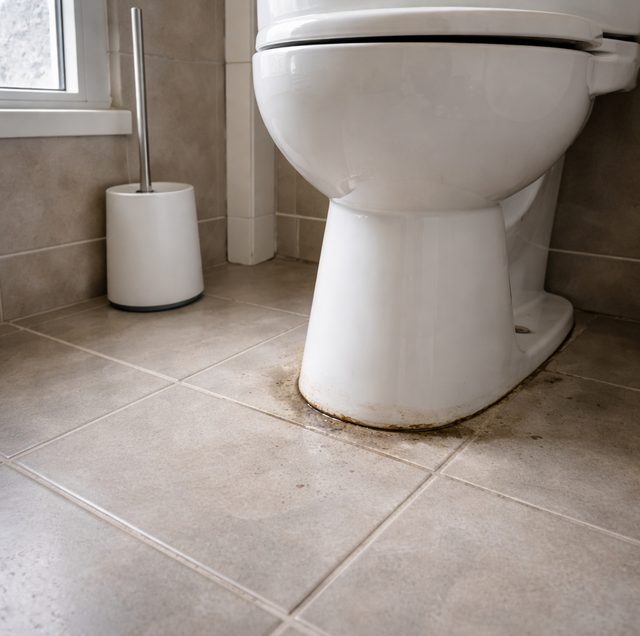
Quick Answer: A bathroom smells like sewage when the water-filled trap or vent system that normally blocks sewer gas has broken down. The usual culprits are a dried-out P-trap in a fixture you rarely use, a failed toilet wax ring or a toilet that rocks, a blocked vent that siphons water out of traps, biofilm coating a drain or overflow, or a cracked drain line behind the wall. Start by running water down every drain, then check the toilet base.
That rotten-egg or raw-sewage smell drifting up from your bathroom is not just unpleasant. It is a signal that something in your plumbing has stopped doing its one job: keeping sewer gas on the other side of a water seal. When you can smell it, that seal has already failed somewhere. The good news is that the failure is usually mechanical and findable, and a couple of the causes you can handle yourself in an afternoon.
How Your Plumbing Keeps Sewer Gas Out
Every drain in your home connects to the same buried sewer or septic line, and that line is full of decomposing waste that produces gas. Two features stand between that gas and your nose.
The first is the trap, the U-shaped or S-shaped bend of pipe under every sink, tub, shower, and inside the base of every toilet. That curve holds a small plug of standing water at all times. Gas rising up the drain hits the water and stops, the way a diver's air pocket keeps water out of an upturned bucket. As long as water sits in the bend, nothing gets past.
The second is the vent system, a network of pipes that runs upward from your drains and out through the roof. Vents let air into the drain line so water can flow freely, and they let sewer gas escape harmlessly above the roof instead of pushing back into the room. Traps and vents work as a pair. When either one fails, the barrier opens, and the smell arrives.
The rotten-egg clue: That specific sulfur odor comes mostly from hydrogen sulfide, one of the gases in the sewer mix along with methane and ammonia. Your nose is very good at detecting it, which is why even a small breach is obvious. The smell is the symptom. The rest of this is finding which part of the barrier broke.
A Dried-Out Trap Is the Most Common Cause
Trap water evaporates. In a fixture you use every day, fresh water refills the bend constantly, so it never runs dry. But a guest-bathroom sink, a basement floor drain, a spare shower, or a tub in a rarely-used room can sit long enough for the trap to evaporate to empty, and once it does, the drain becomes an open pipe straight to the sewer.
This is the first thing to rule out because the fix costs nothing. Walk to the smelly fixture and run water for thirty seconds to refill the sink or tub trap. For a floor drain, pour a couple of quarts of water directly down it. If there is a smell near an unused shower, run it briefly. Give it an hour and see whether the odor fades.
A trap that empties even with regular use points to a second problem, often a venting fault that siphons the water out or a slow leak in the trap itself. For floor drains and other traps that truly sit unused for weeks, a small amount of mineral oil poured in after refilling floats on the water and slows evaporation, buying more time between refills.
A Failed Wax Ring or a Rocking Toilet
A toilet seals to the drain flange on the floor with a wax ring, a soft gasket compressed between the toilet base and the pipe. When that wax dries, cracks, or gets crushed unevenly, sewer gas leaks out around the base of the toilet even though the bowl's own trap is full of water. A smell that is strongest right at floor level near the toilet, rather than at the sink or tub, points here.
Rock the toilet gently with both hands. If it shifts even slightly, the movement has been breaking the wax seal every time someone sits down, and it needs to be reset. Resetting a toilet means shutting off the supply, draining and lifting the fixture, scraping off the old wax, setting a fresh ring, and lowering the toilet back onto the bolts evenly. It is a solid intermediate DIY job for a confident homeowner, but a cracked flange underneath, which is common in older homes, turns it into a repair better left to a plumber.
A Blocked Vent That Siphons Your Traps Dry
This is the cause people miss, because the problem is on the roof and the symptom is in the bathroom. When a vent pipe gets blocked by a bird's nest, leaves, frost, or a dead animal, the drain line cannot pull in air the way it needs to. So when water rushes down a nearby drain, it pulls a partial vacuum behind it and sucks the water right out of a neighboring trap, leaving that trap empty and open to the sewer.
The tell is sound. A properly vented drain runs quietly. A drain fighting a blocked vent gurgles as it struggles for air, and you may hear a glug from the sink or tub right after you flush the toilet. If you refill a trap, the smell goes away for a day, then comes back after heavy water use, suspect the vent. This is not a two-sided seasonal quirk, but note that both a summer wasp nest and a winter frost cap can close a vent the same way, so it happens year-round. Clearing a roof vent is a pro job because of the roof access and the diagnosis involved.
Biofilm and Buildup You Can Actually Smell
Sometimes every trap is full, the toilet is solid, and the vent is clear, but a musty sewage smell lingers anyway. The cause is biofilm, a slick layer of bacteria, hair, soap scum, and skin oils that coats the inside of drain walls and, very often, the sink overflow, the little hole near the top rim that you never clean. That gunk decomposes and produces its own foul, sulfurous smell that rises whenever water disturbs it.
You can treat this yourself. A drain brush run down the pipe, followed by a flush of hot water and a scoop of baking soda chased with white vinegar, breaks up the film. For the overflow, a small bottle brush and the same treatment poured into the overflow hole reaches the part that hides the smell. Skip harsh chemical drain cleaners, which corrode pipes and rarely reach the film that clings to the walls anyway.
A Cracked Drain Line and When It Is Serious
If the smell survives full traps, a good toilet seal, a clear vent, and a scrubbed drain, the breach may be in the pipe itself. A cracked or separated drain line, common where old cast iron has rusted through or where a joint has settled and pulled apart, lets gas escape into a wall cavity, under the floor, or into a crawlspace, from where it seeps into the room. You cannot see it, and there is no home fix. A plumber can confirm it with a camera inspection or a smoke test that pushes visible smoke through the drains to reveal exactly where it escapes.
Do not ignore a strong, ongoing smell: A faint odor that clears when you refill a trap is a minor issue. A strong sewer smell that keeps coming back is not something to live with. Sewer gas is a genuine health concern, and hydrogen sulfide dulls your own sense of smell over time, so a stronger smell can feel like it is fading when it is not. At high concentrations the methane in the mix is also flammable. If the smell is strong and persistent, open windows to ventilate the room, avoid open flames, and get a plumber out to find the source rather than waiting it out.
Frequently Asked Questions
In a warm, dry room, a trap can evaporate to empty in about two to four weeks with no use, and faster near a heat source or in low humidity. This is why vacation homes and rarely-used basement floor drains are the classic offenders. Setting a phone reminder to run every fixture once a month keeps every seal topped up.
Yes, and shower drains have their own quirk: the trap sits below the drain and can collect a dense mat of hair and conditioner that traps decomposing debris right at the water line. A shower also loses trap water faster than a sink because the flat, wide strainer lets more surface area evaporate. Pulling the strainer and clearing the hair mat with a plastic drain tool often fixes a shower-only smell.
Often, yes. Falling barometric pressure before and during a storm reduces how well the roof vent draws, so gas that normally rises out the vent gets pushed back down into the house instead. A smell that spikes with weather points strongly toward a venting problem rather than a dried trap, and it is worth mentioning to your plumber because it narrows the diagnosis.
Rarely, and it can make things worse. Bleach kills surface bacteria but does not remove the physical biofilm layer that holds the odor, so the smell returns within days. Worse, bleach mixed with other drain products can release toxic fumes. A mechanical scrub with a drain brush plus a baking-soda-and-vinegar flush removes the film itself, which bleach never touches.
It usually is. A smell isolated to one bathroom points to that room's own fixtures: its traps, its toilet seal, its overflow. A sewer odor noticeable throughout the house, or strongest in the basement, points instead to a shared main-vent blockage or a break in the main drain line, which affects every fixture at once. Where the smell is worst is a real diagnostic clue.
Prolonged exposure to sewer gas can cause headaches, nausea, dizziness, and eye or throat irritation, largely from the hydrogen sulfide. Low, brief exposure from a dried trap is a nuisance more than a danger, but a strong, constant smell warrants ventilating the space and finding the source promptly, especially where children, elderly household members, or anyone with respiratory conditions are present.
Track down that sewer smell for good — a plumber can pinpoint the failed seal fast. AT Plumbing Services serves Scarborough, South Portland, Portland, and surrounding areas. Call (207) 707-3170.
