
Maine Frozen Pipes: What You Do in the First Hour Determines the Damage
It is six in the morning on a January day in Maine, and the kitchen faucet is not producing water, while the bathroom across the hall is running fine. The temperature dropped to twenty-two below overnight, and the kitchen is on the north side of the house, supplied by a line that runs through the exterior wall behind the cabinets. The pipe is frozen somewhere in that wall, and the fact that it has not burst yet means there is still a window to act correctly. What happens in the next hour determines whether this is a plumbing service call and a conversation about insulation, or a burst pipe, water damage, and a wall that needs to come open. In Maine, that window is real, and what happens inside it matters.
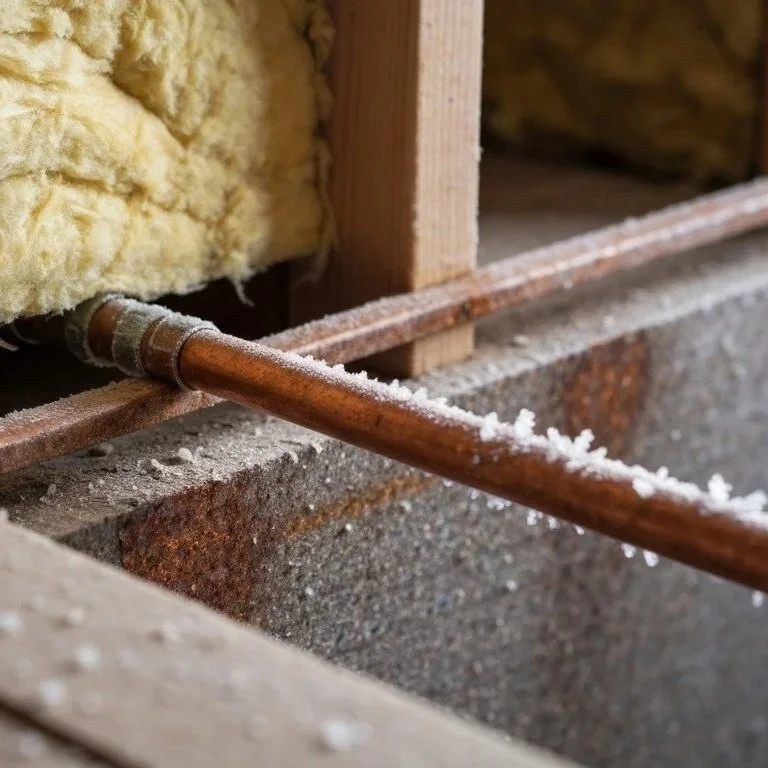
Frozen pipes in Maine homes can quickly become burst pipe emergencies, making proper thawing methods, insulation upgrades, and fast response critical for preventing major water damage during extreme winter temperatures.
Why Maine Homes Freeze Pipes More Often Than Homeowners Expect
Maine's winters are cold enough and long enough that residential supply pipes face a freeze risk on a scale plumbing systems in most of the country do not. Extended periods at or below zero degrees Fahrenheit, combined with the wind exposure that characterizes many Maine homes in rural and coastal settings, create conditions where heat loss through exterior wall cavities can overcome the thermal protection that insulation provides, particularly in older homes where the insulation value of the wall assembly was not designed to the standards of a modern energy code.
The supply line routing decisions made when many Maine homes were originally built did not account for modern expectations about pipe protection in cold climates. In homes built in the mid-twentieth century, it was common practice to route supply lines through exterior wall cavities as the most direct path from the basement supply to the fixtures above. In a 1955 Maine home with three and a half inches of original insulation in the wall cavity and single-pane windows, the exterior wall's thermal performance was poor enough that the supply lines in the cavity were vulnerable to freezing even then. Decades later, with the same insulation and the same routing, those pipes are running the same freeze risk every January, and Maine homeowners in older homes who have not experienced a frozen pipe yet have typically been managing it through heating habits, running taps during cold nights, or maintaining higher indoor temperatures than they might otherwise choose, without always connecting those habits to the pipe vulnerability they are compensating for.
The Right Way to Thaw a Frozen Pipe in a Maine Winter
Discovering a frozen pipe in a Maine home on a cold morning calls for a measured response rather than an aggressive one. The single most important first step is to open the affected fixture to the full open position, which provides a path for water and pressure to escape when the ice begins to melt and reduces the risk of pressure buildup between the thaw point and the fixture. Then, if the frozen section is in an accessible location, apply low heat gradually using a hair dryer, electric heat tape, or a small space heater directed at the pipe or at the wall surface nearest the frozen section.
What should never be used to thaw a frozen pipe in a Maine home, or anywhere, is an open flame heat source. The wall cavities of older Maine homes, particularly those with plaster over wood lath or with original wood fiber insulation, contain combustible materials in direct contact with the pipe. A propane torch applied to a frozen supply pipe in one of these wall cavities creates a genuine fire risk that is not worth taking under any circumstances. The consequence of a fire that started during an ill-conceived pipe thawing attempt in a Maine home in January is not manageable in the way that a burst pipe is manageable. A plumber with appropriate electric thawing equipment can address a frozen pipe in an inaccessible location safely, without opening the wall or applying direct heat.
Confirming the Pipe Is Intact After a Maine Freeze Event
When flow is restored to a previously frozen fixture in a Maine home, the temptation is to consider the situation resolved. The frozen pipe thawed, water is flowing, and there is no visible leak. However, a pipe that froze and thawed successfully this morning may have been stressed during the freeze event to a point where it is near failure under sustained operating pressure or will fail at the same location during the next freeze cycle. Restored flow after thawing does not confirm pipe integrity. It is a confirmation that the ice melted.
At A.T Plumbing Services, after a frozen pipe is successfully thawed, we assess the accessible sections of the affected supply line for any signs of deformation, weeping at fittings, or visible stress, and we hold the system under pressure for an observation period before closing out the service call. We also have a direct conversation about the thermal condition of the space where the freeze occurred, because a pipe that froze once in a wall cavity or crawl space in Maine will freeze again in the same location unless the conditions that allowed it to freeze are addressed. That means the service call is not complete until the homeowner understands what caused the freeze and what the options are for preventing recurrence.
Pipe Insulation and Routing in Maine: What Prevents the Repeat
The most effective frozen pipe prevention in a Maine home is ensuring that supply lines do not run through spaces that drop below freezing during the coldest weather the home will experience. For supply lines that already exist in vulnerable locations, the practical options are adding insulation to the pipe itself, to the wall or crawl space cavity around the pipe, or to the vulnerable space itself, or rerouting the supply line through a warmer path.
Pipe insulation sleeves are available in various R-values and can be applied to exposed supply lines in crawl spaces and basements to reduce heat loss. They are effective for pipes in spaces that drop to near-freezing but not for pipes in spaces that regularly reach sub-zero temperatures, because the pipe insulation reduces heat loss but does not add heat. For supply lines in very cold exterior wall cavities, the more durable solution is spray foam insulation added to the wall cavity from the exterior or the interior to bring the wall's thermal performance to a level where the cavity stays above freezing in extreme cold. For lines in crawl spaces that are not conditioned, encapsulating and conditioning the crawl space converts it from an unheated space where pipes are vulnerable to a conditioned space where pipes are protected.
Maine Seasonal Properties and Frozen Pipe Risk Management
Maine seasonal properties that are closed for the winter represent the highest concentration of frozen pipe risk in the state. A properly winterized seasonal property, one where the supply has been shut off at the main, the system has been drained by opening all fixtures, and any water remaining in the system has been blown out with compressed air, is protected against freeze damage regardless of how cold the winter gets. A property that was closed without proper winterization, or that lost its heat source during the winter due to a boiler failure, a propane tank running empty, or a power outage that disabled an electric heating system, is at significant risk for multiple freeze and burst events throughout the winter.
Maine homeowners who own seasonal properties and are not certain that their winterization was properly completed should have a plumber inspect the system before turning the supply on in spring. At A.T Plumbing Services, seasonal property spring inspections that include a supply system assessment are a service we provide specifically because the cost of identifying and repairing frozen sections before the supply is restored is a fraction of the cost of discovering multiple burst sections under active flow after the main is opened. That service is one of the most practical investments a Maine seasonal property owner can make each spring.
