
A Burst Pipe Doesn't Wait for a Convenient Time to Fail
You heard it before you saw it, a sound somewhere between a crack and a rush of water, and by the time you got to the source, there was already water spreading across the floor, soaking into the baseboard, and finding the gap in the subfloor that leads to the ceiling below. A burst pipe is one of the fastest-moving water damage events a homeowner can face, and the first 10 minutes after discovery matter more than most people realize. Not because there is anything heroic to do, but because the single most important action, shutting off the main water supply, stops the water immediately, and every minute it stays on adds to the volume of water that has to be extracted, dried, and remediated from the structure. Homeowners who spend those first minutes trying to find the source of the burst rather than going directly to the main shutoff lose water they didn't have to.
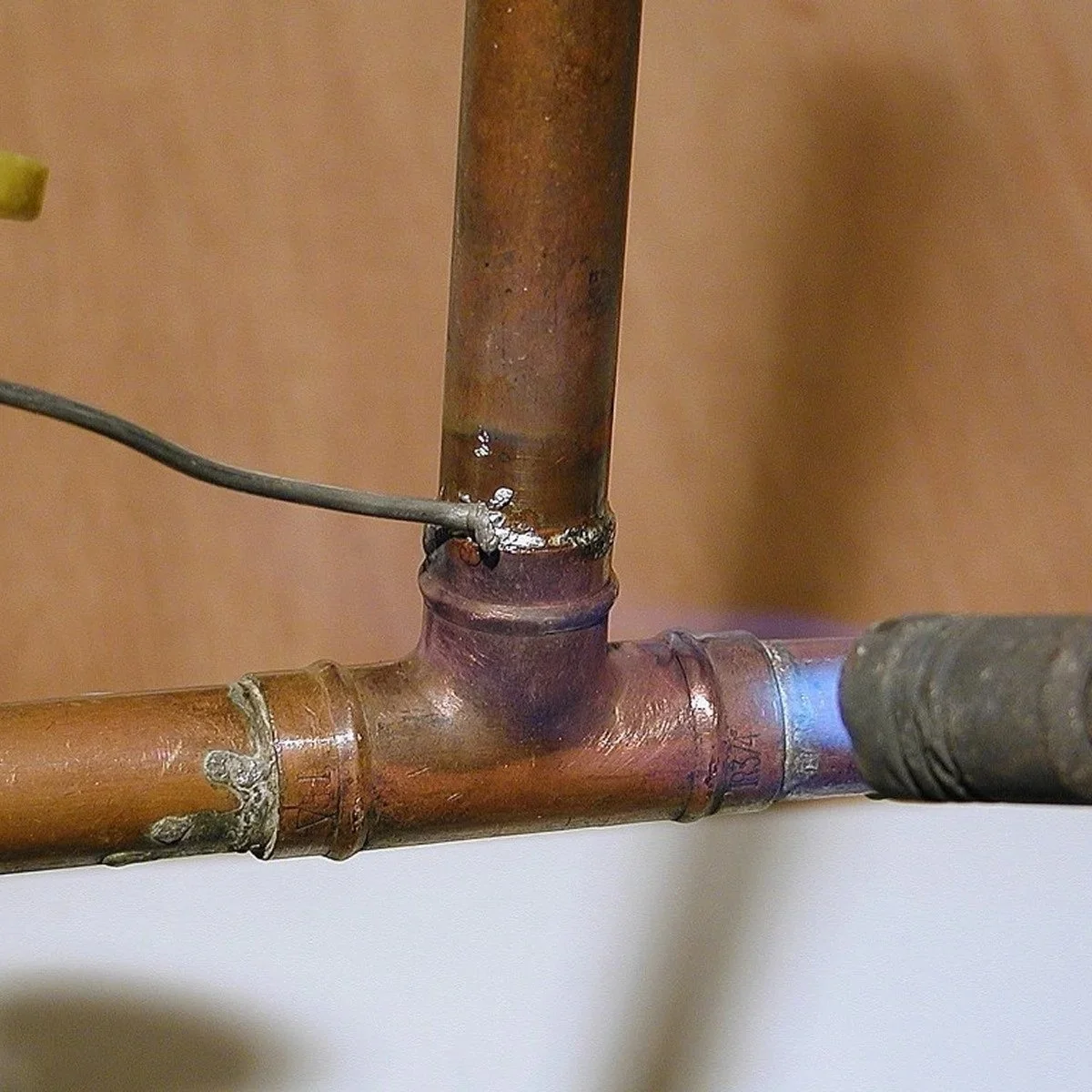
A burst pipe can flood walls, floors, and ceilings within minutes, making immediate water shutoff and professional plumbing repair critical to preventing extensive structural damage and costly mold remediation throughout the home.
What Causes a Pipe to Burst and Why It Matters for the Repair
A burst pipe is a pipe that failed at a specific point for a specific reason, and the cause of the failure directly affects the repair and whether additional work is needed to prevent recurrence. The most common causes fall into a few categories: freezing, physical impact, corrosion failure, pressure surge, and manufacturing or installation defect. Each produces a characteristic failure pattern that a plumber can identify when assessing the damage. A freeze burst typically produces a longitudinal split along the pipe wall where ice expansion exceeds the pipe's tensile strength. Corrosion failure in a copper pipe typically produces a pinhole or a section failure at a joint. A pressure surge failure tends to occur at fittings or at weak points in the system where the surge finds the path of least resistance.
Understanding the cause matters because repairing only the burst section without addressing the underlying cause results in an incomplete repair. A pipe that burst due to inadequate insulation in an unheated wall cavity will burst again at the same location or an adjacent one the next time temperatures drop enough. A pipe that failed due to internal corrosion in a section of the house with old galvanized steel supply lines has adjacent sections in the same condition. A pressure surge failure caused by a lack of a pressure-reducing valve or by an existing PRV failing will produce another burst at the next weakest point in the system when the supply pressure spikes again. The burst pipe repair addresses the immediate failure. The root cause assessment prevents the next one.
The First Hour: What to Do and What Not to Do
Once the main water supply is shut off, the first hour after a burst pipe discovery should focus on limiting secondary damage rather than on understanding exactly what happened or beginning any repair. Secondary damage in a burst pipe event comes from water continuing to move through the structure via gravity and absorption. Water that has entered a wall cavity will migrate downward through the wall, reaching the bottom plate and potentially the subfloor below. Water that has spread across a finished floor will begin absorbing into the subfloor within minutes if the surface material is not waterproof. Water that has entered a ceiling assembly will saturate the insulation and drywall above the ceiling surface and find the path to the structural framing.
Moving furniture and belongings out of the affected area, placing towels or buckets to capture active drips, and opening cabinet doors under sinks or in areas adjacent to the burst to allow air circulation all reduce secondary damage during the period before a plumber and a water damage restoration contractor arrive. What homeowners should not do during this period is apply any temporary patch or repair to the burst section without shutting the water off at the main, attempt to use any electrical fixtures or outlets in rooms where water is present on the floor or ceiling, or assume that because the visible water appears contained, the damage is limited to what is visible. Burst pipe water damage is almost always more extensive than the visible surface area suggests, because water travels through framing cavities, subfloor gaps, and insulation well beyond the point where it becomes visible at a surface.
What Burst Pipe Repair Actually Involves
The visible burst section is the starting point for a burst pipe repair, not the entire length. A plumber arriving at a burst pipe situation assesses the failed section, identifies the pipe material and the failure type, and determines the appropriate repair method for that material and failure mode. A copper pipe with a longitudinal freeze split requires cutting out the damaged section and replacing it with new copper joined by soldering or press fittings. A PEX supply line with a fitting failure requires removing the failed fitting and installing a new one with the correct connection method for the PEX type in the system. A galvanized steel pipe that has corroded through requires removing the corroded section and transitioning to a more durable material, because repairing galvanized with more galvanized at a point of active corrosion failure restores the pipe to the condition it was already failing from.
After the pipe section is repaired and the supply is restored, the plumber should pressure test the system before the repair is considered complete. A system that lost pressure suddenly during the burst may have developed stress at other points in the supply system, and a pressure test identifies any additional weak points before they become the next burst. At A.T Plumbing Services, the pressure test is a standard step in every burst pipe repair, not an optional extra, because discovering a secondary weakness under controlled conditions is preferable to discovering it as another emergency the following week.
The Water Damage Scope That Follows the Plumbing Repair
Burst pipe repair is a plumbing project that almost always occurs alongside a separate water damage remediation scope. The plumbing repair stops the water. The remediation scope addresses what the water did to the structure while it was flowing. Extraction of standing water, drying of wet structural materials with industrial air movers and dehumidifiers, moisture mapping of the affected area to confirm the boundaries of the damage, and monitoring of the drying process over several days are all part of a professional water damage response that should run parallel to or immediately after the plumbing repair.
Homeowners who complete only the plumbing repair and address the visible surface damage without professional drying of the structural materials frequently discover mold in the affected area within two to four weeks, because the structural wood and insulation that absorbed the water during the event retained enough moisture to support mold growth even after the visible surface appeared dry. The timeline from water intrusion to mold establishment in a wall cavity or subfloor assembly is 24 to 48 hours under favorable conditions for mold, which means the structural drying process needs to begin as quickly as the plumbing repair is complete, rather than being deferred until the homeowner has time to address it.
Pipe Material and Age: What Determines Vulnerability
Not all pipes are equally vulnerable to bursting, and the material and age of a home's supply system determine both the risk level and the repair approach. Copper supply lines installed in the 1960s through the 1990s are generally durable but can develop pinhole corrosion failures, particularly in homes with aggressive water chemistry. Galvanized steel supply lines, which were common before the widespread adoption of copper, corrode from the inside and are prone to section failures as the corrosion progresses through the pipe wall. PEX tubing, which has become the dominant supply material in new construction and remodel work since the 1990s, is flexible enough to absorb some freeze expansion without splitting, but is not immune to burst failure, particularly at fittings.
Homes with supply systems that are thirty or more years old have pipe material that has been accumulating wear, corrosion, and the effects of pressure cycling throughout that period. A burst pipe in a home with an aging supply system should prompt a conversation about the overall condition of the system, not just the repair of the single failed section. A plumber who repairs the burst without acknowledging the context of an aging supply system is addressing the presenting problem without giving the homeowner information they need to make informed decisions about the longer-term condition of their plumbing.
