
Toilet Replacement in Maine: What Old Homes Make More Complicated
You finally decided to replace the toilet that has been running, rocking, and generally underperforming in the main bathroom of your Maine home, and you picked one out based on the size of the old one. What you may not have factored in is that the rough-in dimension in a 1950s Maine farmhouse or a Victorian-era coastal cottage is not necessarily 12 inches, that the cast iron floor flange under that toilet may need work before anything new can go on it, and that the shut-off valve behind the toilet may not actually shut off when you need it to. Toilet replacement in older Maine homes has a consistent set of complications that reliably appear once the old toilet comes out, and knowing them in advance changes how the project is planned and which questions are asked before the new unit is purchased.
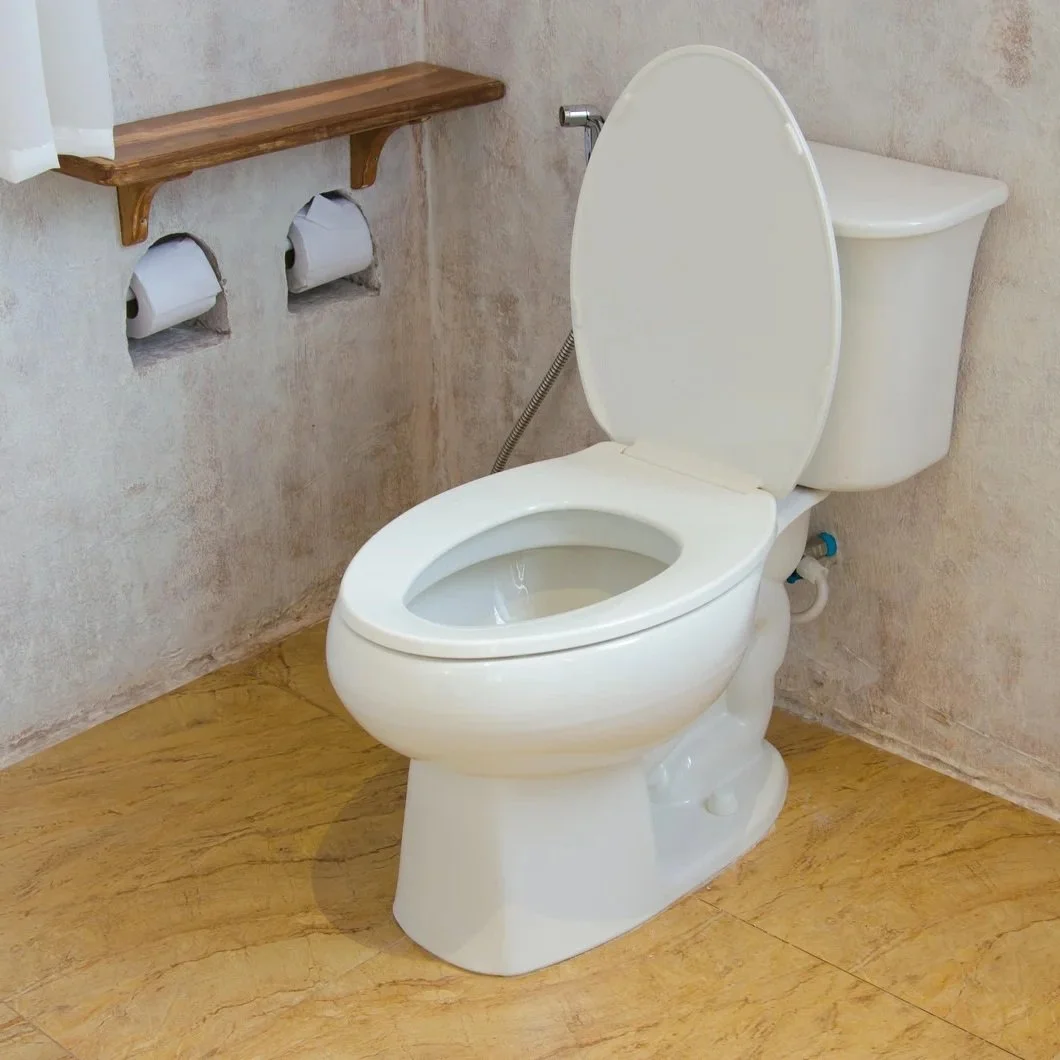
Replacing a toilet in an older Maine home often reveals hidden plumbing issues like damaged flanges, incorrect rough-ins, worn shut-off valves, and outdated supply connections that affect long-term installation reliability and performance.
The Rough-In Reality in Maine's Older Homes
Maine's housing inventory skews significantly older than the national average, and homes built before 1970 in communities across the state, from the Kennebec Valley to the Midcoast to Aroostook County, frequently have rough-in dimensions that do not match the standard 12-inch configuration that most replacement toilets are designed for. Homes built in the early and mid-twentieth century were plumbed with whatever configuration the original plumber used, and 10-inch rough-ins are common enough in Maine's older housing stock that assuming 12 inches without measuring is a meaningful risk.
A Maine homeowner who purchases a 12-inch rough-in toilet for a bathroom with a 10-inch rough-in discovers the mismatch when the new toilet sits four inches away from the wall with an unacceptable gap behind the tank. At that point, the toilet needs to go back to the supplier, and a 10-inch rough-in model needs to be sourced, which is not always available locally and may require a special order that delays the project by days or longer. Measuring the rough-in before purchasing eliminates this scenario entirely. In a Maine home of uncertain age or with a bathroom that has been modified at some point, confirming the rough-in dimension before any purchase is the most important single step in the toilet replacement process.
Cast Iron Floor Flanges in Maine Homes: What Gets Found Underneath
Maine homes with cast iron drain systems, which include a substantial portion of the state's pre-1980 residential housing, often have cast iron floor flanges that have been in service for decades. When the old toilet is removed, and the flange is exposed, what gets found ranges from a flange in serviceable condition to one that is corroded through at the bolt slots, cracked in the collar, or set at the wrong height relative to the finished floor. Any of those conditions affects how the new toilet can be installed and what additional work is needed before it goes in.
A cast iron flange with corroded bolt slots cannot hold the toilet mounting bolts securely. The bolts will move under normal toilet load, which means the toilet will rock, which will fail the wax ring seal, and within months of the new installation, the toilet will need to come back out to address the flange condition that should have been addressed the first time. Repair options for a corroded cast iron flange include overlay flanges that mount over the existing damaged flange to provide new bolt slots, and full flange replacement for situations where the original flange body is cracked or structurally compromised. A plumber from A.T Plumbing Services completing a toilet replacement in a Maine home with an older cast iron system should assess the flange condition as a standard part of the job before setting the new toilet, not as a surprise discovery during a warranty callback.
Water Quality and Toilet Component Longevity in Maine
A toilet replacement in a Maine home on private well water is an opportunity to acknowledge that the water chemistry conditions that degraded the components in the previous toilet will affect the new toilet's components at the same rate unless something changes. Hard well water with high mineral content deposits scale on fill valve mechanisms and flapper seats, and iron in the water creates staining inside the tank and bowl, accelerating cosmetic degradation and contributing to component wear. The new toilet's fill valve and flapper are made of the same materials as the old ones, and without addressing the water quality upstream, they will develop the same mineral-related issues within a similar timeframe.
For Maine homeowners who are replacing a toilet for the second or third time in the same decade because internal components keep failing prematurely, the pattern is the water chemistry, not the product quality. A whole-house water softener or an iron filter installed upstream of the household plumbing protects all plumbing fixtures simultaneously, including the new toilet's components, and can meaningfully extend their service life beyond what untreated Maine well water would allow. A plumber replacing a toilet in a Maine well-water home with documented hardness or iron issues should mention water treatment as a relevant consideration, because the toilet replacement is addressing the current symptom while the water quality continues producing the next one.
Shut-Off Valves and Supply Lines in Maine's Older Utility Conditions
Toilet shut-off valves in Maine homes that have not been updated since original construction are often old gate-style valves that have not been used for years or decades. In a state where winter plumbing emergencies happen and the ability to isolate a toilet supply quickly matters, a gate valve that has seized in the open position is a real liability. A toilet replacement is the logical time to replace the old gate valve with a modern quarter-turn ball valve that will close reliably when needed, and the cost of doing so while the toilet is already out of service and the water is already shut off is minimal compared to the cost of having to make that repair later in a separate service call.
The supply line connecting the shut-off valve to the new toilet's fill valve inlet should always be replaced at the time of a toilet replacement, not reused from the previous installation. Supply lines that have been in service for ten or fifteen years alongside the old toilet are at the end of their rated service life. A braided stainless supply line that fails on a newly installed toilet produces a water release that is entirely preventable, and that creates damage disproportionate to the cost of a replacement line. In Maine homes where the utility room or bathroom is above a finished basement or adjacent to finished living space, that prevention is particularly meaningful because water from a supply line failure in those locations does not stay contained.
Flange Height and Tile Thickness in Maine Bathroom Renovations
A toilet replacement in a Maine bathroom that has been retiled at some point presents a specific challenge regarding floor flange height. The floor flange is installed at a height that matches the original finished floor surface. When tile is added on top of that original floor, the finished surface rises, and the flange that was at the correct height for the original floor is now recessed below the new tile surface. A toilet set on a recessed flange requires a flange extender to raise the seating surface to the proper height for the wax ring to seal properly. Without the extender, the wax ring cannot compress correctly against both the toilet horn and the flange surface, and the seal is compromised from the day the toilet is installed.
This is a detail that matters specifically in Maine because many older Maine homes have had multiple bathroom updates over the decades, with tile added in layers over original flooring in bathrooms that were not fully gutted during renovation. A bathroom where the tile feels thicker underfoot than expected, or where the original toilet appears to float slightly above the tile surface, is one where flange height needs to be assessed before selecting the new toilet. The fix is typically a straightforward flange extender installation, but identifying the need for it before ordering the new toilet prevents the mismatch from being discovered during installation.
Choosing a Replacement Toilet That Holds Up in Maine Conditions
For Maine homeowners replacing a toilet on a private well with hard or iron-bearing water, component material selection in the replacement unit matters more than the marketing copy suggests. Fill valves with fully enclosed mechanisms and fewer small-tolerance components tend to perform better in high-mineral water conditions than fill valves with complex floats and multiple adjustment points that are susceptible to scale accumulation. Flappers made from higher-grade rubber compounds resist the stiffening and warping that mineral-rich water accelerates more effectively than budget flappers made from basic materials.
Toilet finishes are also relevant for Maine homeowners dealing with iron in the water supply. Continuous iron staining inside the bowl and on the tank floor is a cosmetic maintenance issue that some toilet finishes handle better than others. Toilets with smoother, denser glaze finishes resist iron staining better than toilets with more porous glazes, and they are easier to clean when staining does occur. While this is not a primary driver of a toilet replacement decision, it is a consideration worth raising when a Maine homeowner is choosing between otherwise comparable models and is frustrated by the ongoing staining battle with their current toilet.
